How to Grow Gallnut (Majuphal): A Complete Cultivation Guide for High-Value Medicinal Farming

How to Grow Gallnut (Majuphal)
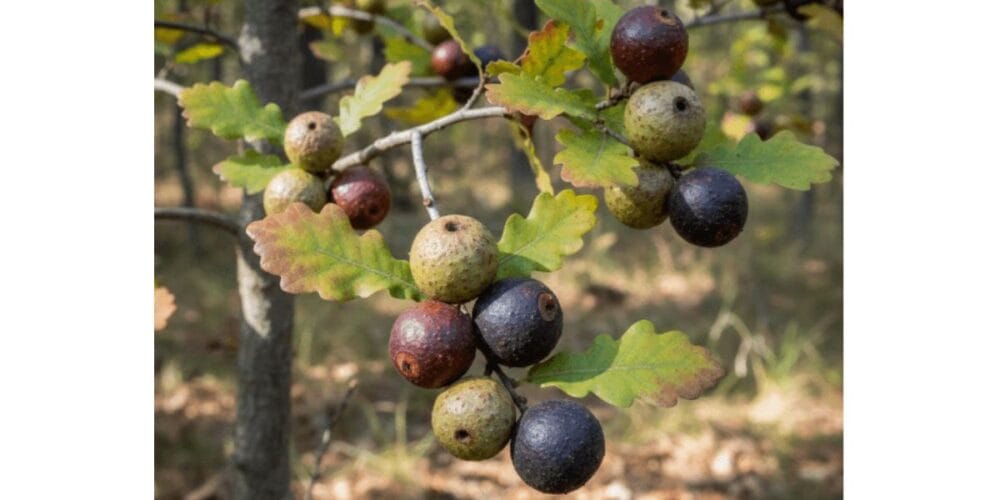
Gallnut, commonly known as Majuphal, is a highly valuable non-timber forest produce widely used in Ayurveda, Unani medicine, and the pharmaceutical industry. Scientifically known as Quercus infectoria, Gallnut is not an actual fruit but a plant growth formed on oak trees due to insect activity. It is rich in tannins and has immense medicinal, cosmetic, and industrial uses — making it an excellent option for farmers looking to diversify into high-value medicinal crops.
For agriculture bloggers like you who focus on plant nutrition and micronutrient-rich crops, Gallnut cultivation can be an interesting addition to promote sustainable medicinal farming.
Table of Contents
What is Gallnut?
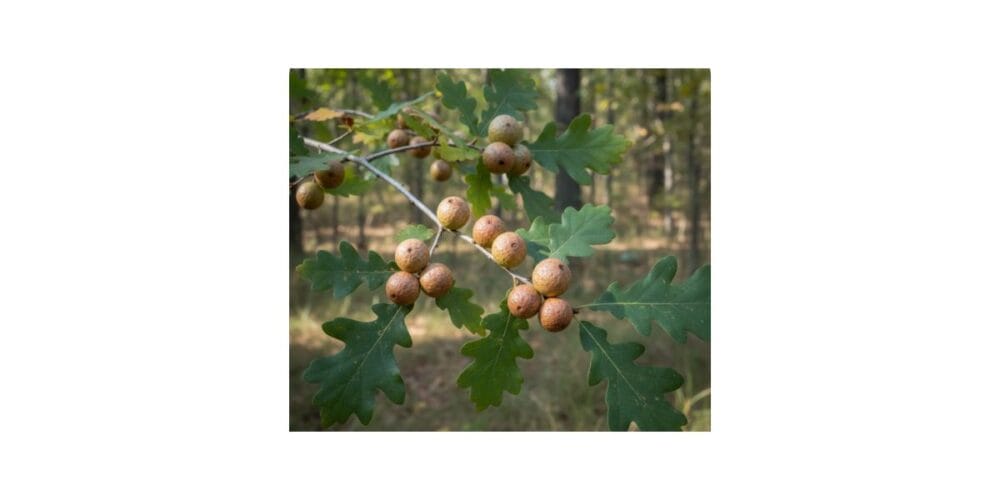
Gallnuts are abnormal outgrowths formed on young twigs of the Aleppo Oak tree when a gall wasp lays eggs inside plant tissue. The tree responds by forming a hard protective gall around the larvae. These galls are harvested, dried, and used for medicinal purposes due to their high tannic acid content.
Gallnuts are widely used in:

- Herbal medicine
- Natural dyeing
- Ink manufacturing
- Dental care products
- Skin tightening formulations
- Textile processing
Climate Requirements for Gallnut Cultivation
Gallnut-producing oak trees grow best in:
- Temperate to subtropical climates
- Annual rainfall of 600–800 mm
- Temperature range of 15°C to 30°C
Although naturally found in Mediterranean regions, Gallnut oak cultivation can be attempted in hilly areas of India such as:
- Himachal Pradesh
- Uttarakhand
- Jammu & Kashmir
- Parts of Northeast India
Farmers in suitable agro-climatic zones can adopt Gallnut cultivation as a long-term forestry investment.
Soil Requirements
Gallnut trees prefer:
- Well-drained loamy soil
- Slightly acidic to neutral pH (5.5–7.0)
- Good organic matter content
Avoid waterlogged or saline soils as they hinder root development and reduce gall formation efficiency.
To improve soil fertility:
- Apply well-decomposed Farmyard Manure (FYM)
- Add vermicompost during planting
- Maintain proper micronutrient balance in soil
Balanced Zinc, Boron, and Iron levels improve vegetative growth and gall formation.
Also Read: How to Grow Sichuan Pepper: A Complete Cultivation Guide for High-Value Spice Farming
Propagation Method
Gallnut oak trees are propagated through:
1. Seed Propagation
- Collect mature acorns from healthy trees
- Sow in polybags or nursery beds
- Maintain adequate moisture
- Germination occurs within 3–4 weeks
Seedlings become ready for transplantation in 6–8 months.
Land Preparation and Planting
- Plough land thoroughly
- Prepare pits of size 45 cm × 45 cm × 45 cm
- Maintain spacing of 5 m × 5 m
Fill pits with:
- Topsoil
- 10–15 kg FYM
- Neem cake
- Rock phosphate
Plant healthy seedlings during monsoon for better establishment.
Nutrient Management
Since you specialize in micronutrient fertilizer content, here’s an important insight — proper nutrient supply significantly improves gall yield.
Recommended Fertilizer Dose per Plant (Annually)
- FYM: 10–15 kg
- Nitrogen (N): 100 g
- Phosphorus (P₂O₅): 50 g
- Potassium (K₂O): 50 g
Micronutrient Application
Apply foliar spray of:
- Zinc Sulphate (0.5%)
- Borax (0.2%)
- Ferrous Sulphate (0.5%)
Twice during vegetative growth stage to enhance gall formation.
Irrigation Management
Gallnut trees are drought-tolerant but require irrigation:
- Immediately after transplanting
- Once every 10–15 days during dry periods
Avoid overwatering as it may affect root respiration.
Also Read: How to Grow Shallot: A Complete Guide from Planting to Harvest
Gall Formation Process
Gall formation occurs naturally when gall wasps infest young twigs. Farmers do not need to manually induce galls, but maintaining tree health increases chances of natural infestation and gall production.
Healthy plant nutrition ensures:
- Better gall size
- Higher tannin content
- Improved medicinal value
Harvesting

- Galls are harvested when they turn hard and brown
- Usually collected before insect emergence
- Harvesting period: 4–6 years after planting
Dry the harvested galls in shade before storage.
Yield
A mature Gallnut tree can produce:
- 1–2 kg dry galls annually
With proper nutrient management, yield and quality can be significantly improved.
Also Read: How to Grow Ajwain (Carom Seeds): A Complete Cultivation Guide for Beginners
Benefits of Gallnut Farming
- High market demand in herbal industries
- Low maintenance crop
- Suitable for agroforestry systems
- Drought-resistant tree
- Long-term income generation
Alternate Medicinal Crops
Farmers interested in medicinal plantation may also consider:
- Ashwagandha
- Safed Musli
- Kalmegh
- Shatavari
FAQs
Q1. Is Gallnut cultivation profitable?
Yes, Gallnuts have strong demand in Ayurvedic and pharmaceutical industries due to high tannin content.
Q2. Can Gallnut grow in plains?
It performs best in hilly temperate regions but may grow in cooler subtropical climates with proper care.
Q3. How long does Gallnut take to produce yield?
Gall production begins after 4–6 years of planting.
Final Thoughts
Gallnut cultivation offers a unique opportunity for farmers to enter the medicinal plant industry with minimal maintenance and long-term profitability. By ensuring balanced soil nutrition and proper agroforestry practices, farmers can achieve sustainable production of this valuable herbal resource.